What Sanae Takaichi's Leadership Means for Foreigners and the World
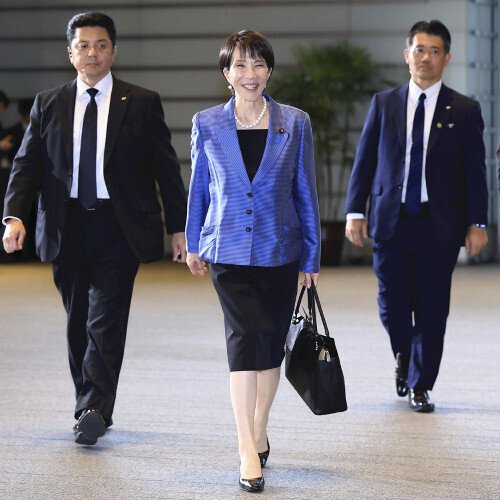
Japan is entering a new chapter with Sanae Takaichi as its first female prime minister, sworn in on October 21, 2025. Her leadership comes at a time when Japan faces rising living costs, an aging population, and growing tensions in the world. As the third-largest economy globally, Japan’s choices matter not just for its people but for the world. This blog post dives into who Takaichi is, how her policies might affect the 3.8 million foreigners living in Japan, what her plans mean for the economy, and how the world now views Japan. Let’s break it down in simple, detailed terms.
Who is Sanae Takaichi?
Sanae Takaichi, 63, is a bold figure in Japan’s politics. She’s part of the Liberal Democratic Party (LDP), which has led Japan for most of the past 70 years. On October 21, 2025, she won a tight parliamentary vote to become prime minister, replacing Shigeru Ishiba, whose short stint ended after the LDP lost its full grip on power. Takaichi made history as Japan’s first female prime minister, a huge step in a country where women rarely hold top roles. She calls herself the “Margaret Thatcher of Japan,” admiring the former British leader’s tough, conservative style. Takaichi has been in politics for decades, serving as a minister for things like communications and internal affairs. She was a close ally of Shinzo Abe, a former prime minister known for his “Abenomics” plan to boost Japan’s economy. Her win came after a fierce LDP leadership race, where she beat out others by appealing to the party’s right-wing members who want a stronger, prouder Japan. But leading Japan won’t be easy. The LDP doesn’t have a majority in parliament, so Takaichi needs support from smaller parties to pass laws. Her first speech as prime minister focused on helping people with rising prices and making Japan stronger against foreign threats. She picked a cabinet that shares her conservative views, like Finance Minister Akira Katayama, who wants to control spending, and Economic Security Minister Kimi Onoda, who’s focused on stricter rules for foreigners. This team shows she’s serious about her “Japan First” ideas, but it also raises questions about whether she can unite a divided country.
What This Means for Foreigners in Japan
Japan is home to about 3.8 million foreigners, a number that’s grown 10% in the past year. These are people from all over—English teachers from the U.S., tech workers from India, caregivers from the Philippines, and students from China. They fill important jobs, especially in areas like nursing, construction, and technology, where Japan needs help because its population is getting older. But Takaichi’s leadership might make life trickier for them. Takaichi and her team, especially Minister Kimi Onoda, want tougher rules on immigration. They’ve talked about cracking down on people who overstay their visas or break laws. Onoda has said she wants to make sure foreigners follow Japan’s rules closely, which could mean more checks on visas, work permits, or residency status. Some online posts have even spread rumors about “mass deportations,” though there’s no proof of that happening. For foreigners, this could mean more paperwork or longer waits for things like visa renewals. For example, a teacher on a work visa might need to prove their job is still needed, or a student might face stricter rules to stay after graduation. Takaichi’s traditional views—she’s against same-sex marriage and supports “family values”—might also make Japan feel less welcoming to some expats. Online forums for foreigners in Japan are buzzing with worry: Will it be harder to bring family members here? Will permanent residency applications slow down? Here’s the tricky part: Japan needs these foreign workers. With fewer young people to work in factories, hospitals, or stores, foreigners are keeping things running. If Takaichi’s rules scare away talent or make it harder for them to stay, it could hurt businesses and communities. For now, foreigners in Japan should keep their documents in order and watch for new rules, but they’re still a vital part of the country’s future.
Japan's Economy: A Balancing Act
Japan’s economy is one of the biggest in the world, but it’s facing tough times. Prices for things like food, gas, and electricity are up, with inflation at 2.9% in September 2025, higher than the Bank of Japan’s target of 2%. This means families are paying more for everyday things, and businesses are struggling. The yen is also weak, making imports more expensive. Takaichi’s plan is to spend a lot of money—more than last year’s $92 billion stimulus package—to help people cope. She wants to give subsidies to families and small businesses, like helping pay for electricity or groceries. She also plans to raise wages to make life easier and spend more on defense, aiming to make Japan’s military budget 2% of its economy. This sounds promising, and the stock market jumped after her election because investors think she’ll support businesses. But there are risks. Japan already owes a huge amount of money—about 250% of its economy. Spending more could make this debt worse, and if things go wrong, Japan might face a bigger economic mess. Plus, Takaichi’s “Japan First” ideas could scare away foreign companies. For example, if she makes it harder for foreign businesses to invest or hire workers, Japan might miss out on money from places like the U.S. or Europe. Foreign workers are also key to the economy—without them, industries like construction or tech could slow down, which might raise prices even more. Takaichi’s challenge is to keep the economy growing while sticking to her conservative goals. If she spends too much or pushes away global partners, Japan could slip into a recession. But if she gets it right, she could help families and businesses thrive.
How the World Sees Japan
Japan is a major player globally—known for its technology, cars, and culture like anime and sushi. Takaichi’s rise is getting a lot of attention. Many celebrate her as Japan’s first female prime minister, breaking a big barrier. But her strong views are raising eyebrows. She supports visiting a shrine that honors war figures, which upsets neighbors like China and South Korea. She’s also tough on China and wants to keep sanctions on Russia, aligning with the U.S. on security. The U.S. likes her focus on building Japan’s military to counter threats in Asia, especially with tensions in places like Taiwan. But some European countries are worried about her views on history, fearing they could strain trade or diplomatic ties. Investors see Japan as stable for now, with the stock market doing well, but analysts warn that her nationalist policies might make Japan seem less open to global business. In a world dealing with U.S. elections, Middle East conflicts, and trade disputes, Japan under Takaichi looks like a steady democracy with economic power. But her “Japan First” approach might make it harder for Japan to work with other countries on things like trade deals or climate goals. Her leadership is a test: Can she keep Japan strong and connected, or will it turn inward?
What's Next for Japan?
Sanae Takaichi is leading Japan at a critical moment. As the first woman in charge, she’s breaking barriers, but her strict policies on immigration and nationalism could create challenges. For foreigners, it’s a time to stay alert for new rules while keeping their vital role in Japan’s workforce. For the economy, her big spending plans could help or hurt, depending on how she balances them. For the world, Japan remains a key player, but Takaichi’s choices will shape whether it stays open or pulls back. Her first 100 days will be crucial. Will she focus on helping everyday people with prices, or lean too hard into her conservative ideas? Foreigners, businesses, and global leaders are all watching. What do you think about Japan’s new direction? Let us know in the comments! Sources: Nekkei, BBC, NHK, and more. We’ll keep you updated as Takaichi’s leadership unfolds.