Why Do Drinks Cost More in Small Sizes in Japan? The Conbini Price Paradox
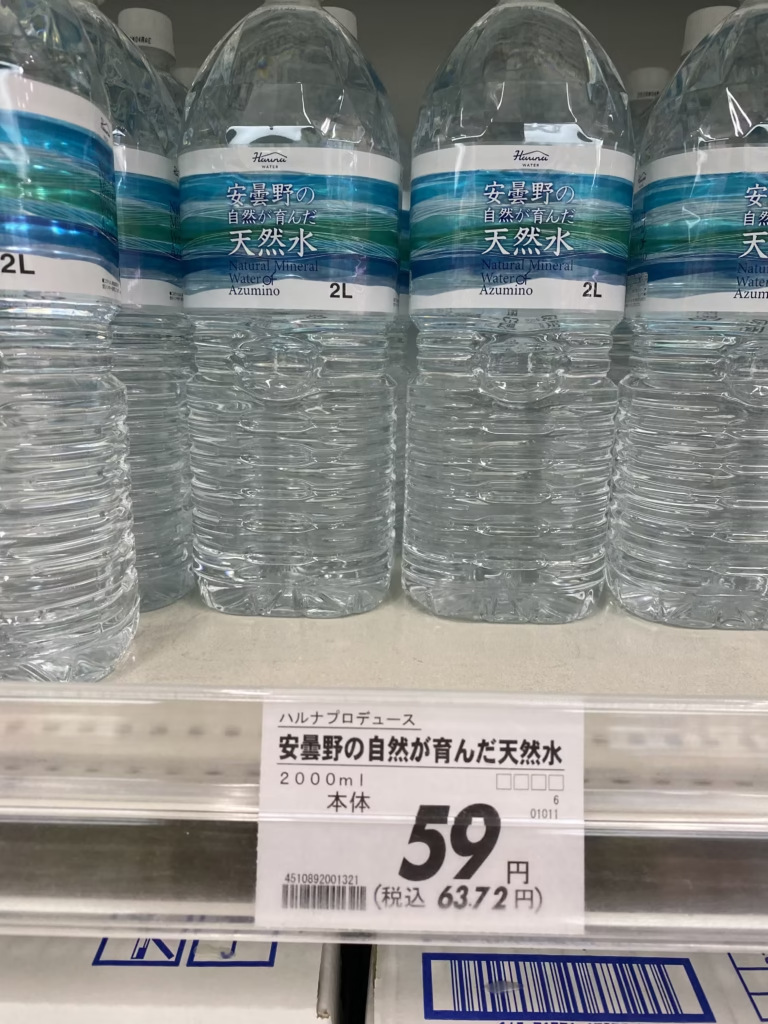
From iced green tea to Coca-Cola to plain mineral water — if you’ve ever stood confused in front of a Japanese convenience store fridge, this guide explains exactly what’s going on and how to save money on every drink you buy in Japan.
It’s a scene that plays out for almost every foreigner who arrives in Japan. You’re standing in a FamilyMart, Lawson, or 7-Eleven, phone in hand, double-checking the price tag because your brain refuses to accept what your eyes are reading.
A 500ml bottle of water: ¥130. A 2-liter bottle of the same brand sitting right below it: ¥110. Same logic applies to Coca-Cola. To Suntory’s green tea. To Pocari Sweat. To just about every drink in the store.
More volume, lower price — and somehow that feels wrong. In most countries, bulk means discount. In Japan’s conbini, the rules feel inverted. But once you understand why, the whole system clicks into place.
The core idea: you’re paying for convenience, not just liquid
Japanese convenience stores aren’t just shops — they’re a service infrastructure. The price on every drink in that fridge reflects how much work the store has done to make your life easier right now. The small cold bottle is ready to drink immediately, fits your hand, and slips into any bag. That seamless, zero-effort access has a price, and in Japan, that price is built directly into the ¥ tag.
The big bottle, on the other hand, is heavy, room-temperature half the time, and awkward to carry on a packed train. It belongs at home, not in your hand. The store knows this, and prices it accordingly — lower, because it’s demanding more effort from you.
How this plays out across different drinks
The pattern isn’t unique to water. Let’s walk through the most common drinks you’ll encounter and how the pricing logic applies to each one.
Typical prices — conbini vs supermarket
| Beverage | Convenience stores | Supermarket | |
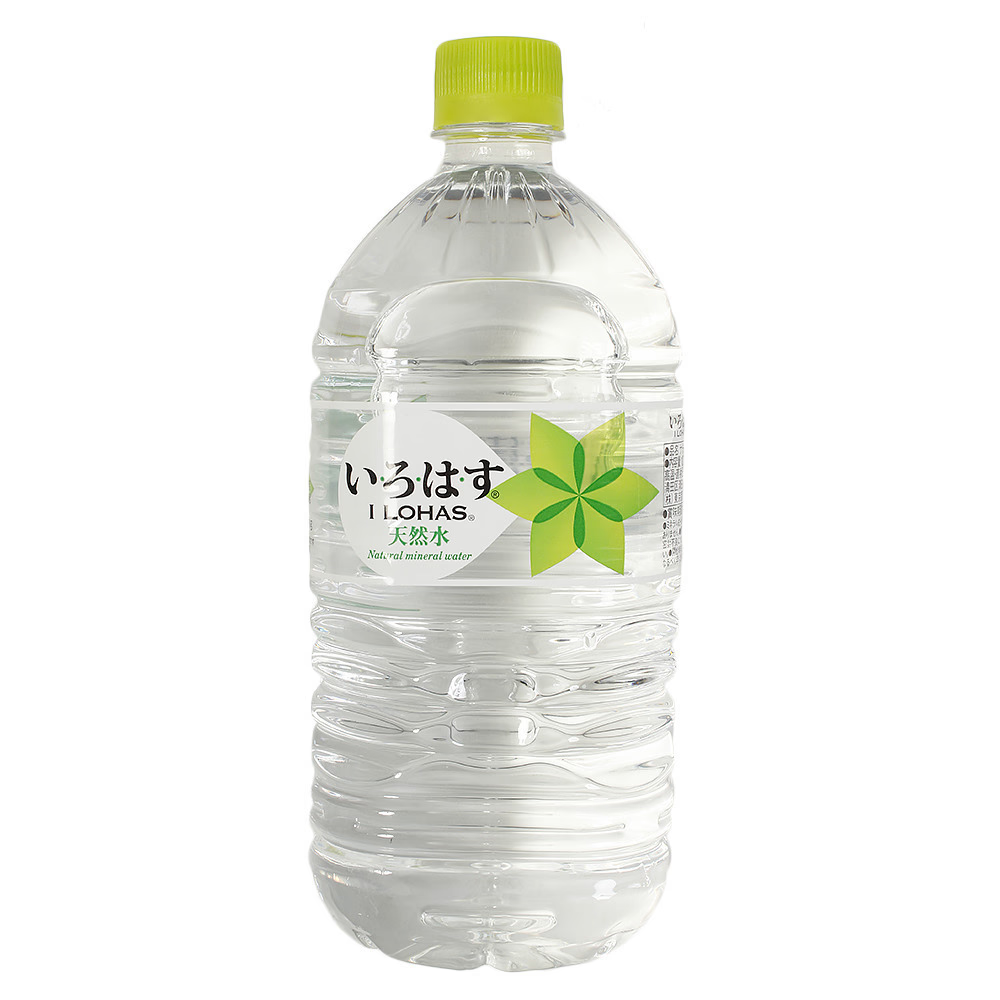 | Mineral water | 500ml (¥151) 2L (¥110) | 2L (¥60–90) |
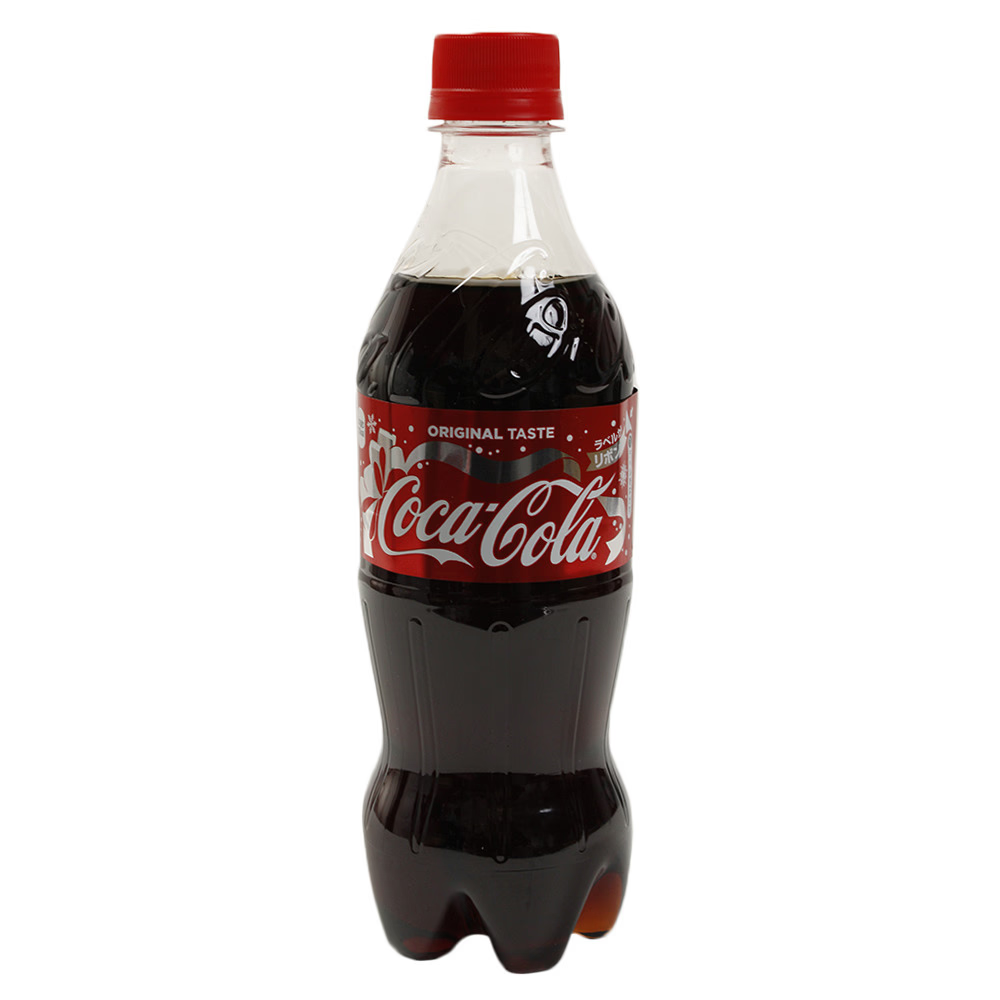 | Coca-Cola | 500ml (¥160) 1.5L (¥270) | 1.5L (¥190–210) |
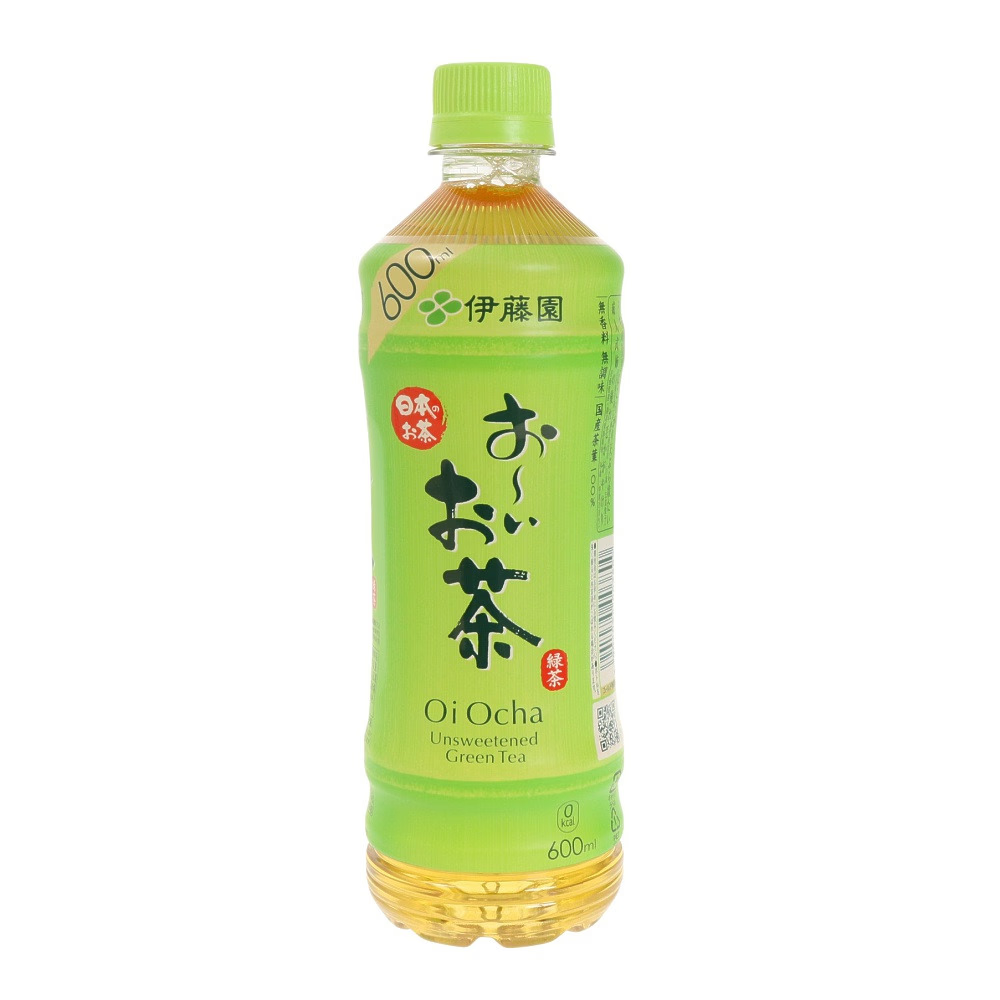 | green tea (Ocha) | 500ml (¥180 2L (¥300) | 2L (¥160–180) |
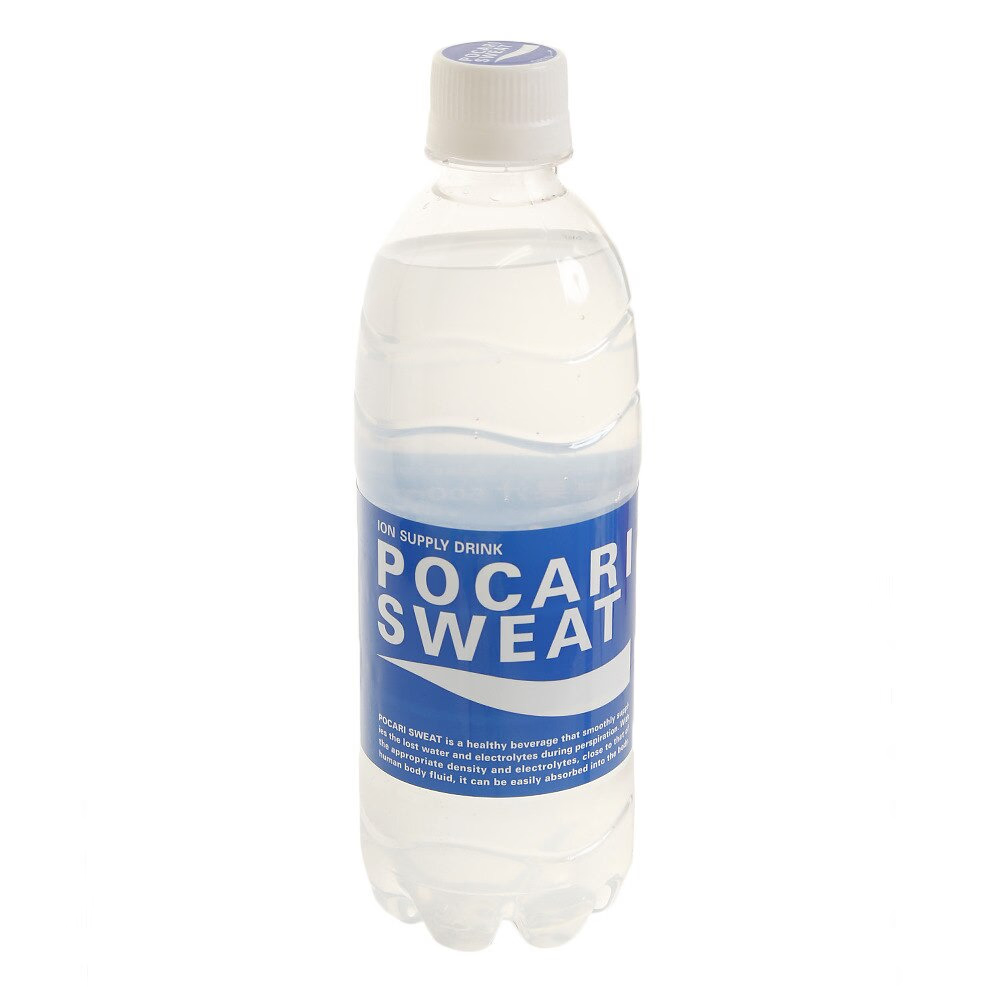 | Pocari Sweat | 500ml (¥190) 900ml (¥240) | 900ml (¥180–200) |
Conclusion
The next time you’re standing in front of a conbini fridge, you’re not looking at a pricing mistake. You’re looking at a very deliberate system.
Small bottle = cold, portable, ready now. You’re paying for that. Large bottle = heavy, inconvenient, meant for home. The store charges less because it’s asking more of you.
Once you know the rule, it’s simple: buy small when you need it now, buy big at the supermarket when you’re stocking up. That one habit change — a five-minute detour to your nearest Aeon or Seiyu — can shave a surprising amount off your monthly budget without giving up anything you enjoy.
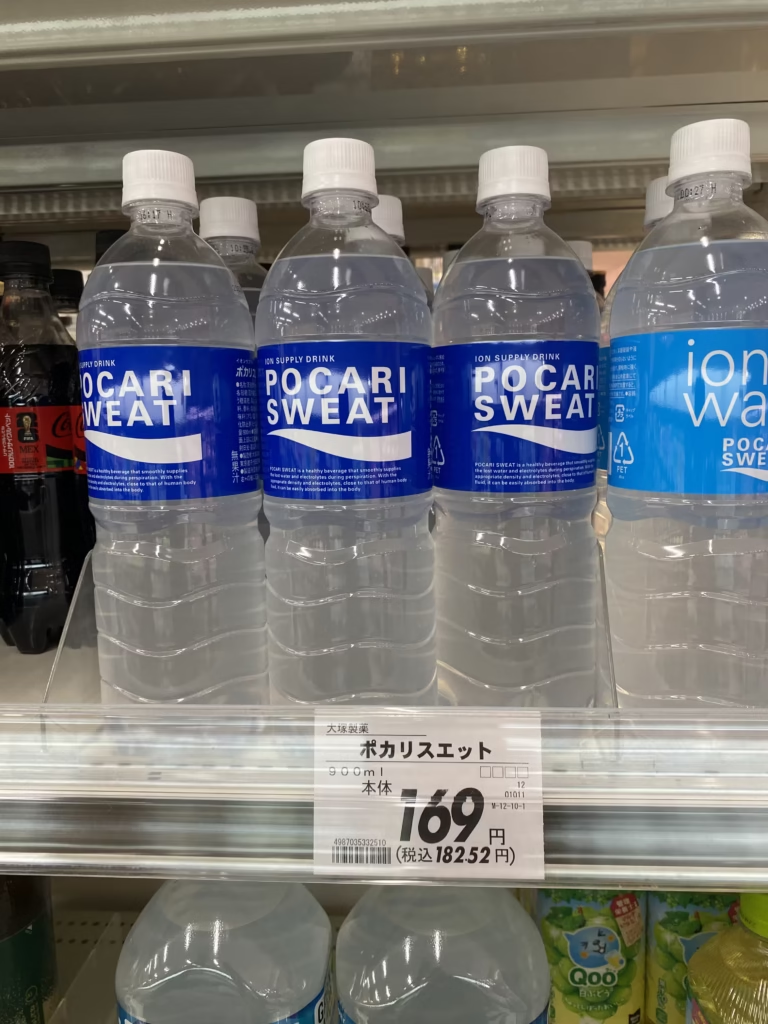
Japan’s pricing isn’t strange once you see it clearly. It’s actually one of the most honest systems out there. Every yen tells you exactly what you’re paying for.